Why European Tourist Tax Is Good News for Adventurers
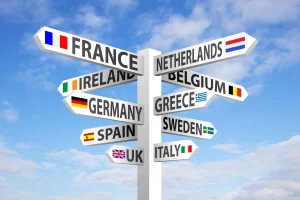
In a bold, unified move, several top travel destinations in Europe—including Norway, Italy, France, Germany, the Netherlands, Switzerland, the UK, and Greece—are implementing or updating a tourist tax system. While it may sound like another expense, the reality is quite the opposite. For travelers, this shift could usher in a new era of richer experiences, enhanced infrastructure, and more sustainable tourism. Yes, you read that right. The European tourist tax benefits for travelers can actually benefit you as a traveler—and here’s how.
The Rise of Tourist Taxes in Europe
From the gondolas of Venice to the fjords of Norway, travelers are now encountering a small, transparent tourist tax added to their lodging bill or entry pass. But what is it exactly?
A tourist tax—also called a bed tax, climate levy, or visitor fee—is a government-imposed surcharge on tourists, typically used to fund maintenance and improvements of local infrastructure. Norway, for instance, has announced a 3% tourist tax on accommodations, especially targeting high-traffic seasons. Other nations have adopted a nightly fee model, like France’s per-star hotel levy or Amsterdam’s hefty 12.5% surcharge on stays.
So, what’s the real story behind these rising costs?
Tourist Taxes Fund Infrastructure You’ll Actually Use
Wouldn’t it be lovely if your accommodation fee came with upgraded toilets, scenic hiking trails, clean public transport, and functional signage in multiple languages? That’s not a fantasy anymore. That little fee you’re paying? It’s helping fund all that behind the scenes—quietly making your journey smoother.
In Norway, the collected tax helps finance trail maintenance and public restrooms near national parks. In Greece, the tax directly funds climate resilience projects. And in Italy, it’s being used to maintain historical landmarks and manage the crowds in over-visited cities like Venice.
In essence, European tourist tax benefits for travelers by improving services you’ll directly enjoy.
A Greener Travel Footprint with Every Euro
Travel, especially international travel, isn’t always the greenest activity. That’s where a well-structured tourist tax makes a difference. By earmarking funds for environmental projects, governments are offsetting the tourism footprint.
In Switzerland, the funds go toward conservation in Alpine regions. In Greece, they’re invested in green infrastructure like solar panels for hotels or electric bus systems. Your small contribution supports European tourist tax benefits for travelers who want to make a positive impact while exploring.
It may look like a fee, but it’s a vote for sustainability.
It Reduces Overtourism—and That’s a Good Thing
If you’ve ever elbowed your way through the narrow alleys of Santorini or queued for hours outside the Louvre, you’ve experienced overtourism. Tourist taxes help manage this by gently dissuading short, cheap visits and encouraging longer, more meaningful stays.
Venice, for example, now charges a daily entry fee for day-trippers. The idea is simple: fewer, more intentional travelers mean less wear-and-tear on the city’s delicate ecosystem and more space for those who are truly there to explore.
This results in a more authentic, less crowded experience for you.
Local Communities Actually Benefit—And Welcome You More
Let’s face it—tourism can be a double-edged sword for locals. While it brings money, it can also strain public services. With a tourist tax in place, communities receive direct compensation to balance things out.
From subsidized housing in Amsterdam to free museum days in France made possible through tax funding, local communities are seeing tangible benefits. And when locals benefit, tourists are more welcome. This translates into genuine hospitality and fewer tourist fatigue issues—another reason why European tourist tax benefits for travelers matter.
Transparency Means You Know Where Your Money Goes
Unlike hidden fees or mysterious service charges, most tourist taxes in Europe are clearly defined and openly regulated. Want to know how your €2 in Berlin or £1 in Manchester is used? It’s often published in public government reports or listed in travel guides.
It might appear as just another line item, but it’s your direct contribution to building a better experience for everyone. That’s the beauty of European tourist tax benefits for travelers: they work quietly to improve the very places we love to explore.
You Might Actually Save in the Long Ru
Here’s the kicker: better infrastructure, cleaner cities, smarter public transport, and preserved attractions can reduce your incidental costs significantly. Think fewer Uber rides because public transit actually works. Or fewer restaurant mishaps because city menus now offer multi-language clarity, thanks to tax-funded improvements.
That modest tourist fee? It’s quietly making your trip easier and more affordable than you might expect—yet another point for European tourist tax benefits for travelers.
Why Uber Travel Supports Smart Tourism Polic
At UberTravel, we champion sustainable, smart travel. The introduction of these tourist taxes goes beyond simply raising revenue—it’s about creating a travel environment that works for everyone. By promoting better infrastructure, supporting local economies, and preserving cultural heritage, this shift benefits the entire travel ecosystem.
So, next time you’re booking your flight to Europe and see a small tourist tax line item, remember: you’re helping create a better trip for yourself—and for those who come after you.
FAQs
What is a tourist tax?
A tourist tax is a fee imposed on travelers by local governments, often added to accommodation bills or as entry fees, to fund public services and infrastructure improvements.
Why is Norway introducing a tourist tax now?
Norway’s 3% tax aims to support infrastructure in heavily visited areas and manage seasonal tourist flow for better sustainability.
Are these taxes common across Europe?
Yes. Countries like France, Italy, Germany, the Netherlands, and more already impose similar taxes, either as nightly fees or a percentage of hotel costs.
Will the tourist tax increase my travel costs significantly?
Not really. Most fees are under €10 per night or a small percentage of your hotel bill—often less than 2–3% of your total trip budget.
Can I see how my tourist tax is used?
In many cities and countries, yes. Transparency laws often require governments to publish where the funds go—like conservation, local development, or transit projects.
Is the tourist tax mandatory?
Yes, if you stay in taxed zones or cities. However, the exact amount and application vary per country or city, so check with your accommodation or destination’s official website.