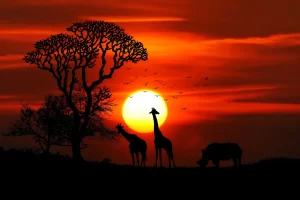
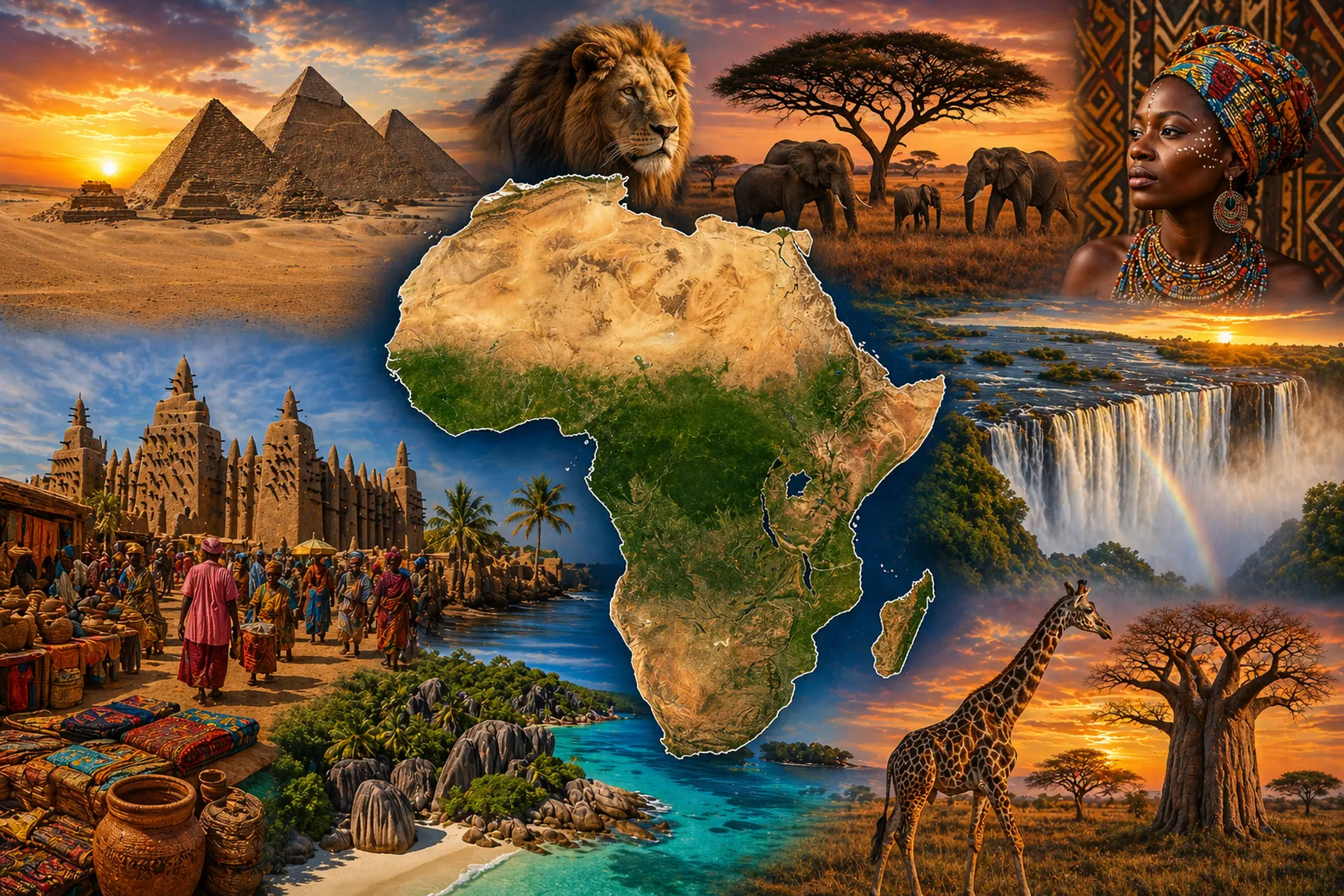
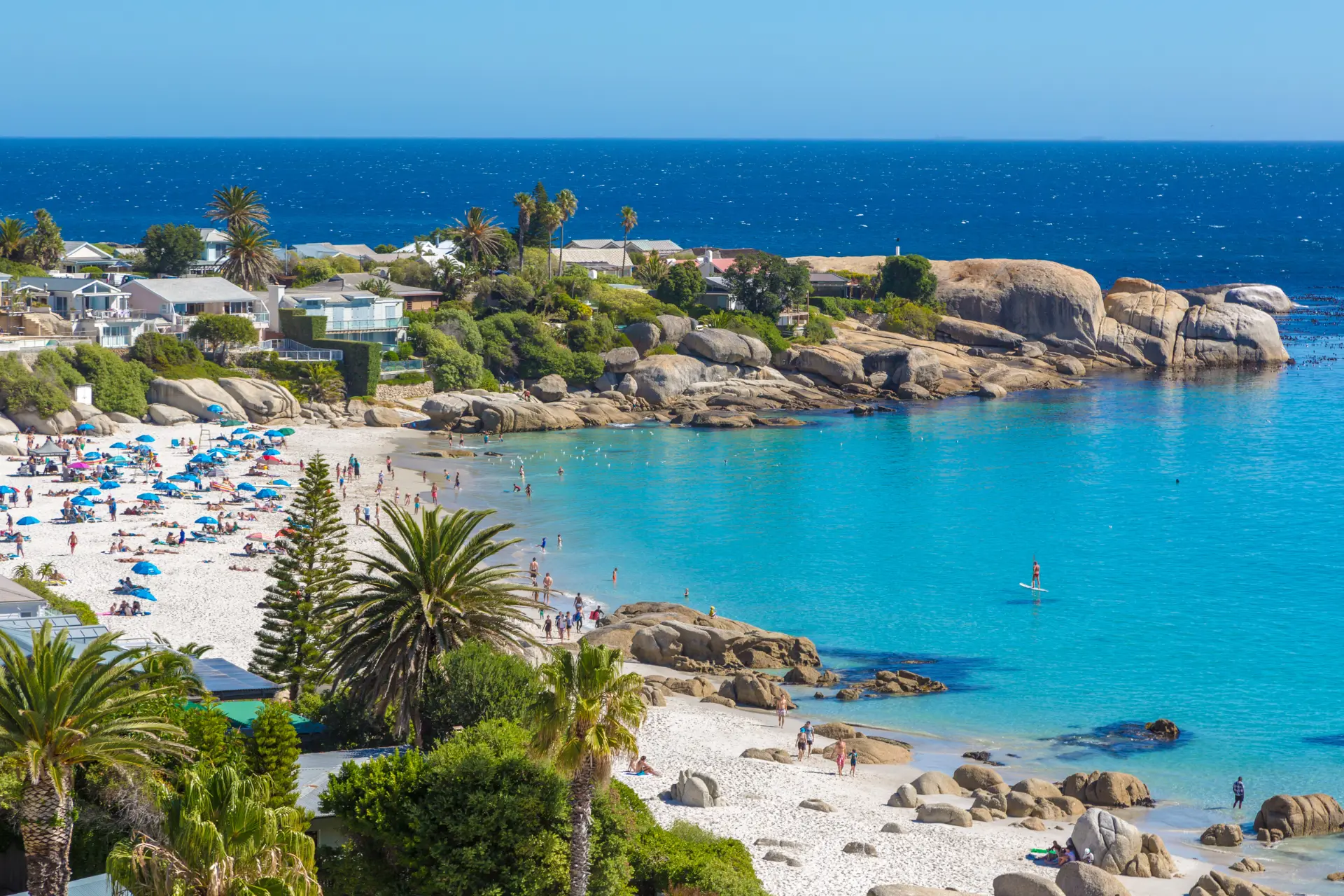
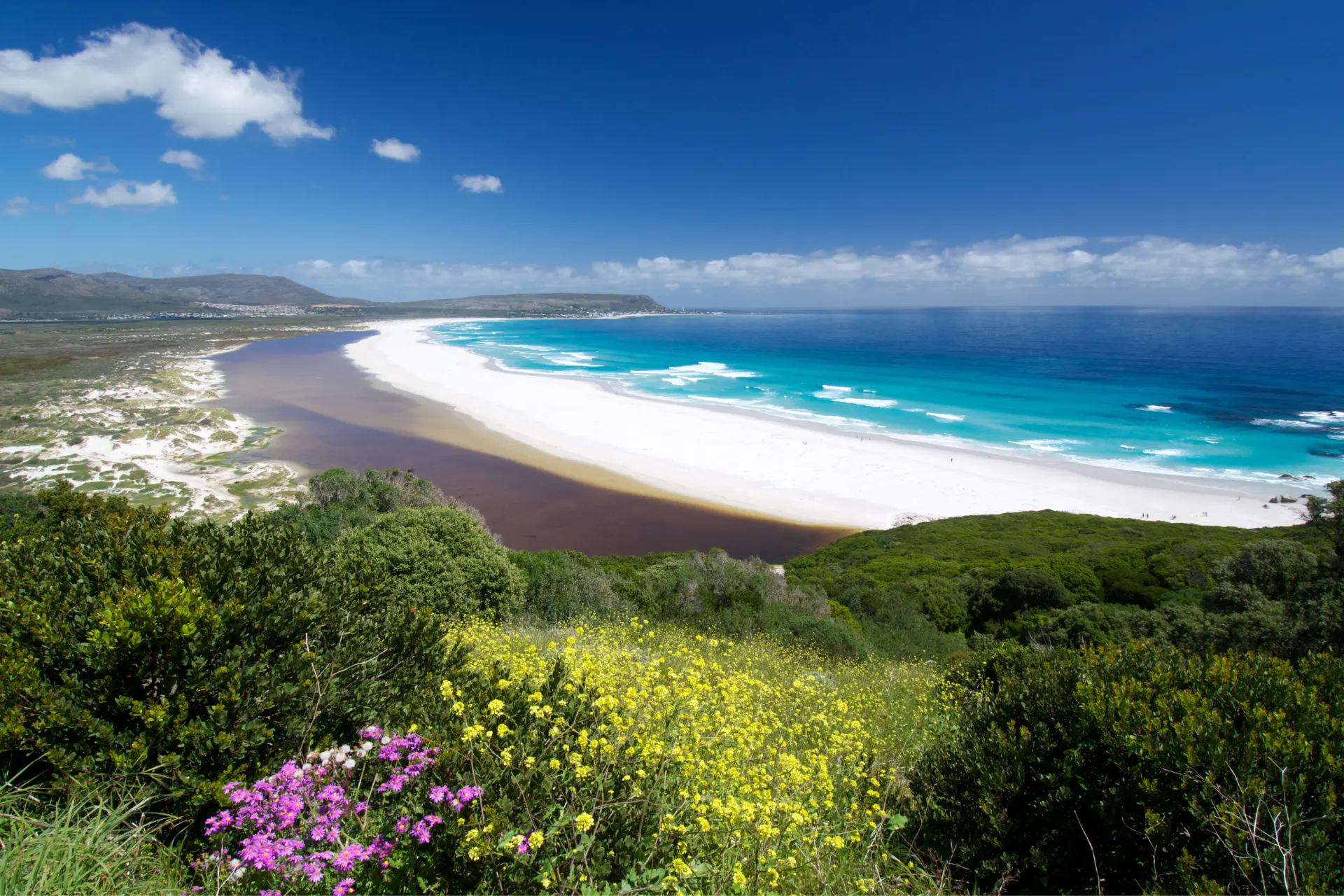
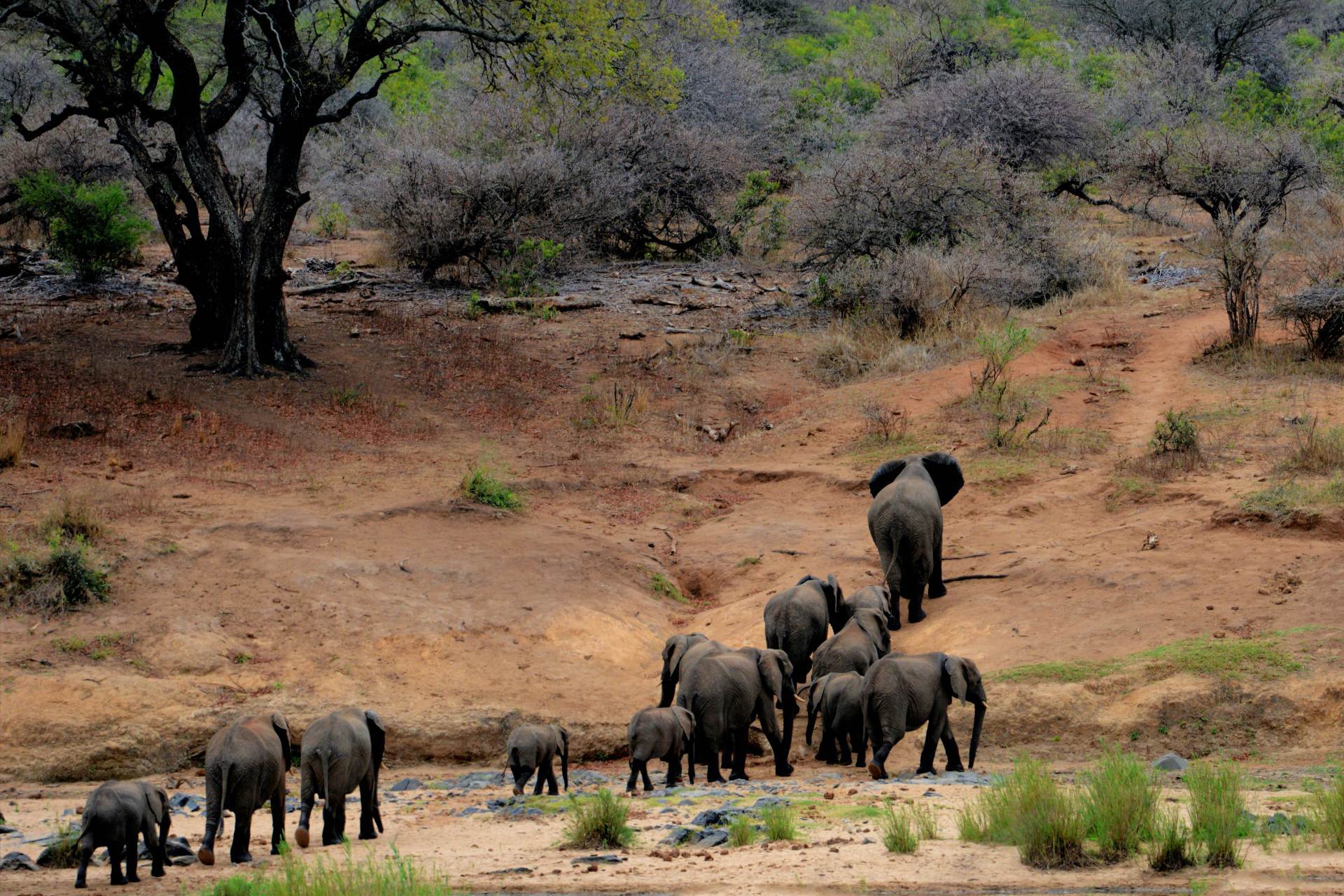
Africa is a vast and diverse continent that captivates travelers with its stunning landscapes, rich history, and vibrant cultures. Covering over 30 million square kilometers, it is the second-largest continent in the world, offering everything from the Sahara Desert to tropical rainforests and endless savannas. Africa is home to some of the world’s most iconic natural wonders, including Mount Kilimanjaro, Victoria Falls, and the mighty Nile River. Its incredible geographical variety makes it a top destination for nature lovers, adventurers, and cultural explorers alike.
With 54 unique countries and thousands of ethnic groups, Africa presents an unparalleled cultural mosaic. Travelers can experience a wide range of traditions, cuisines, music, and festivals across the continent. Whether you’re planning a wildlife safari in Kenya, a historical tour of Egypt, or a beach escape in Zanzibar, Africa offers unforgettable travel experiences. From the bustling cities of Johannesburg and Casablanca to remote villages and ancient ruins, Africa invites you to explore its beauty, connect with its people, and discover its soul.
History & Culture
Africa has one of the richest and oldest histories in the world, often referred to as the cradle of humanity. Ancient civilizations such as Ancient Egypt, Carthage, Nubia, and Axum laid the foundations for science, architecture, and written language. The continent’s history is deeply intertwined with global developments, including the trans-Saharan trade routes, the spread of Islam and Christianity, and the colonial era that reshaped borders and societies. Visitors can explore a wide array of archaeological sites, museums, and historic landmarks, from the pyramids of Giza to the rock-hewn churches of Lalibela and the ruins of Great Zimbabwe.
Africa’s cultural diversity is just as vast as its history, with over 3,000 distinct ethnic groups and more than 2,000 languages spoken across the continent. Music, dance, storytelling, and oral traditions play central roles in daily life and community identity. Festivals like Timkat in Ethiopia, Lake of Stars in Malawi, and FESPACO in Burkina Faso highlight Africa’s artistic expression and social vitality. Traditional crafts, fashion, and cuisine reflect the unique spirit of each region, from Moroccan souks to Zulu beadwork and Senegalese drumming. This cultural richness makes Africa a vibrant destination for travelers seeking authentic cultural experiences and heritage tourism.
Exploration & Adventure
Africa is a dream destination for travelers seeking exploration and adventure, offering some of the most thrilling outdoor experiences on Earth. From safari expeditions in the Serengeti or Okavango Delta to hiking treks up Mount Kilimanjaro, the continent delivers unforgettable encounters with nature. Adventure lovers can go sandboarding in the Namib Desert, gorilla trekking in Uganda, or white-water rafting on the Zambezi River near Victoria Falls. The diverse terrain provides a playground for hikers, climbers, divers, and wildlife photographers, making Africa ideal for those who crave adrenaline and raw beauty.
The spirit of adventure extends beyond nature into rich cultural immersions and off-the-beaten-path journeys. Travelers can explore ancient caravan routes in Morocco’s Atlas Mountains, join a camel caravan across the Sahara, or experience the traditions of remote tribes like the Himba in Namibia or the Omo Valley communities in Ethiopia. For more relaxed explorers, Africa also offers hot air balloon rides over the Maasai Mara, sailing trips around the Seychelles, or scenic drives along South Africa’s Garden Route. Whether you’re looking for extreme challenges or mindful discovery, Africa promises endless opportunities for authentic adventure travel.
Flavors & Culinary
Africa’s culinary landscape is as diverse and vibrant as its cultures, offering travelers a true feast for the senses. Across the continent, each region boasts distinct flavors, traditional recipes, and locally sourced ingredients that reflect the geography and history of its people. In North Africa, dishes like tagine, couscous, and harira soup are infused with spices such as cumin, cinnamon, and saffron. West African cuisine is known for hearty stews, jollof rice, and flavorful sauces made with chili peppers, tomatoes, and peanuts. In East Africa, you’ll find the sourdough-like injera paired with spiced lentils and meat dishes, while Southern Africa features barbecued meats, maize-based meals like pap, and a blend of indigenous and colonial culinary influences.
Beyond the food itself, culinary traditions in Africa are deeply social and often tied to celebrations, rituals, and hospitality. Visitors can experience local cuisine at bustling street markets, family-owned restaurants, or even through cooking classes with locals. Countries like Morocco, Ethiopia, Senegal, and South Africa have emerged as top destinations for food tourism, drawing those eager to explore the continent through its tastes and textures. From spiced teas and brewed coffees to exotic fruits and fresh seafood, Africa’s gastronomy invites you to discover its stories, connect with its people, and savor every bite.
What to Know
Best Time to Visit
The best time to visit Africa varies by region due to its vast size and diverse climate. For North Africa, the cooler months from October to April are ideal to avoid extreme summer heat. In East Africa, June to October offers the best wildlife viewing during the dry season, perfect for safaris.
In Southern Africa, the dry winter months from May to September provide excellent game spotting and pleasant weather. Meanwhile, West Africa is most comfortable between November and March when the weather is cooler and less humid. Planning your trip during these optimal periods ensures a more enjoyable and memorable experience.
Safety and Health Advice
When traveling to Africa, it’s important to follow basic safety and health guidelines to ensure a smooth trip. Research your destination’s current conditions, register with your embassy if necessary, and avoid risky areas, especially at night. Always keep copies of your documents and use reputable transportation and tour providers.
Health-wise, consult a travel clinic before your trip for recommended vaccinations such as yellow fever or typhoid, and check if malaria prevention is needed. Drink bottled or filtered water, and be cautious with street food unless it’s freshly cooked. With preparation and awareness, Africa can be a safe and rewarding destination.
Entry Requirements and Visas
Entry requirements for Africa vary by country, so it’s essential to check the visa policies of your destination in advance. Many African nations require a tourist visa, which can often be obtained online (e-visa) or upon arrival. Make sure your passport is valid for at least six months beyond your travel dates.
Some countries may also require proof of onward travel, sufficient funds, or a yellow fever vaccination certificate, especially if you’re arriving from a country where the disease is present. Checking entry guidelines with official embassy websites ensures a smooth arrival process and helps avoid last-minute surprises.
Travel Costs and Budget Tips
Travel costs in Africa can vary greatly depending on the country and travel style. Destinations like South Africa, Morocco, and Kenya offer options for both luxury and budget travelers. Flights, safaris, and guided tours can be the biggest expenses, but local transportation, food, and accommodations are often quite affordable.
To save money, consider traveling during the low season, booking in advance, and using local guesthouses or public transport. Many cities have street food and markets with delicious and cheap meals. With smart planning, it’s possible to enjoy Africa on a budget without missing out on amazing experiences.