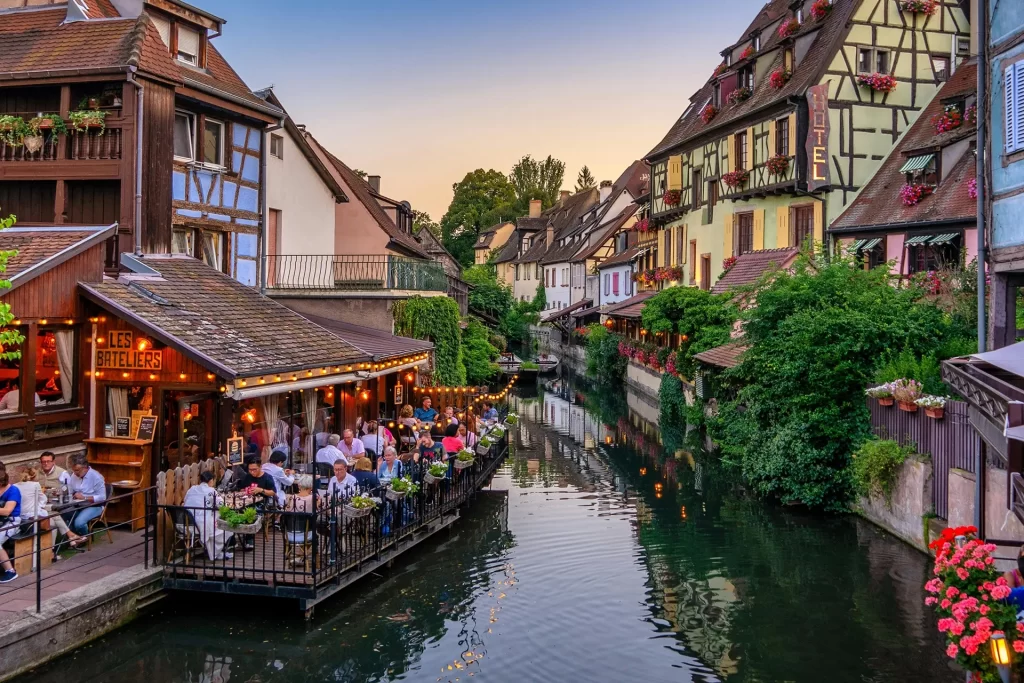
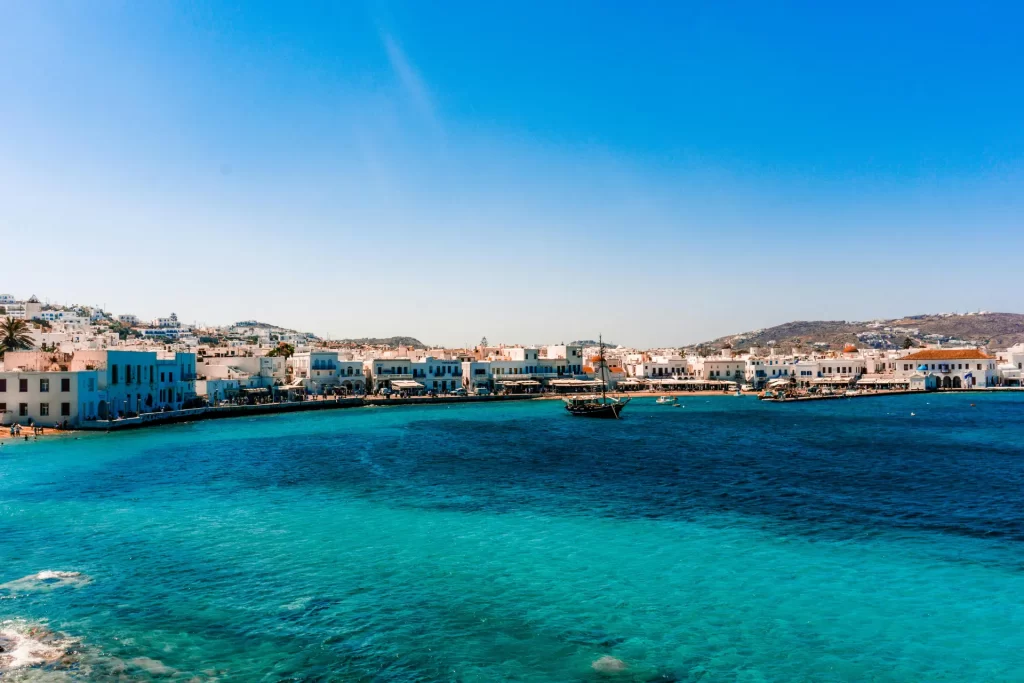
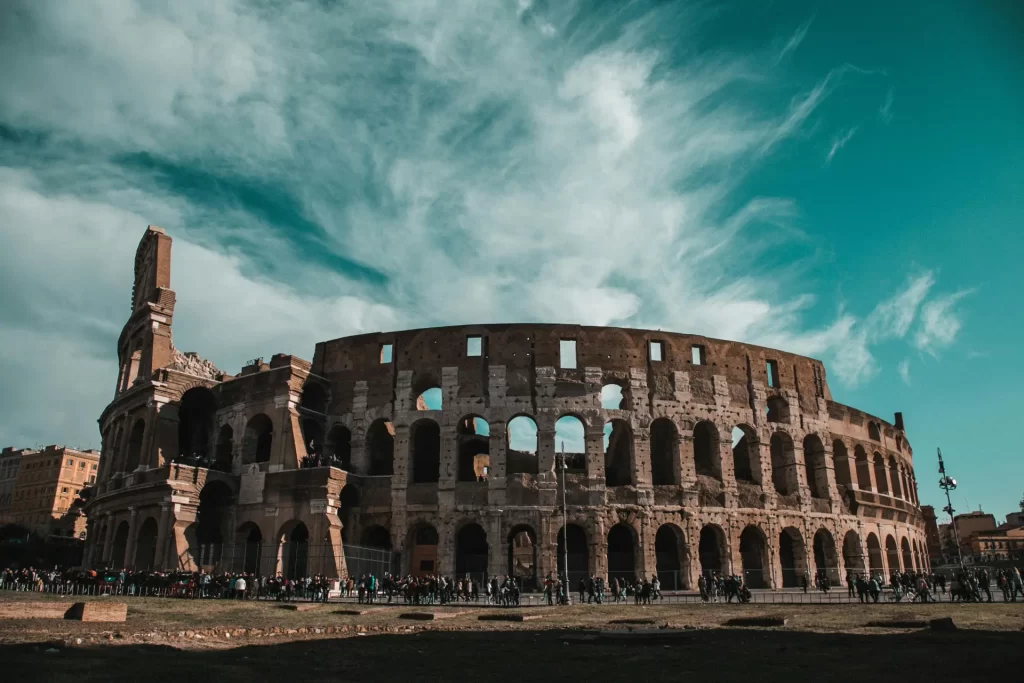
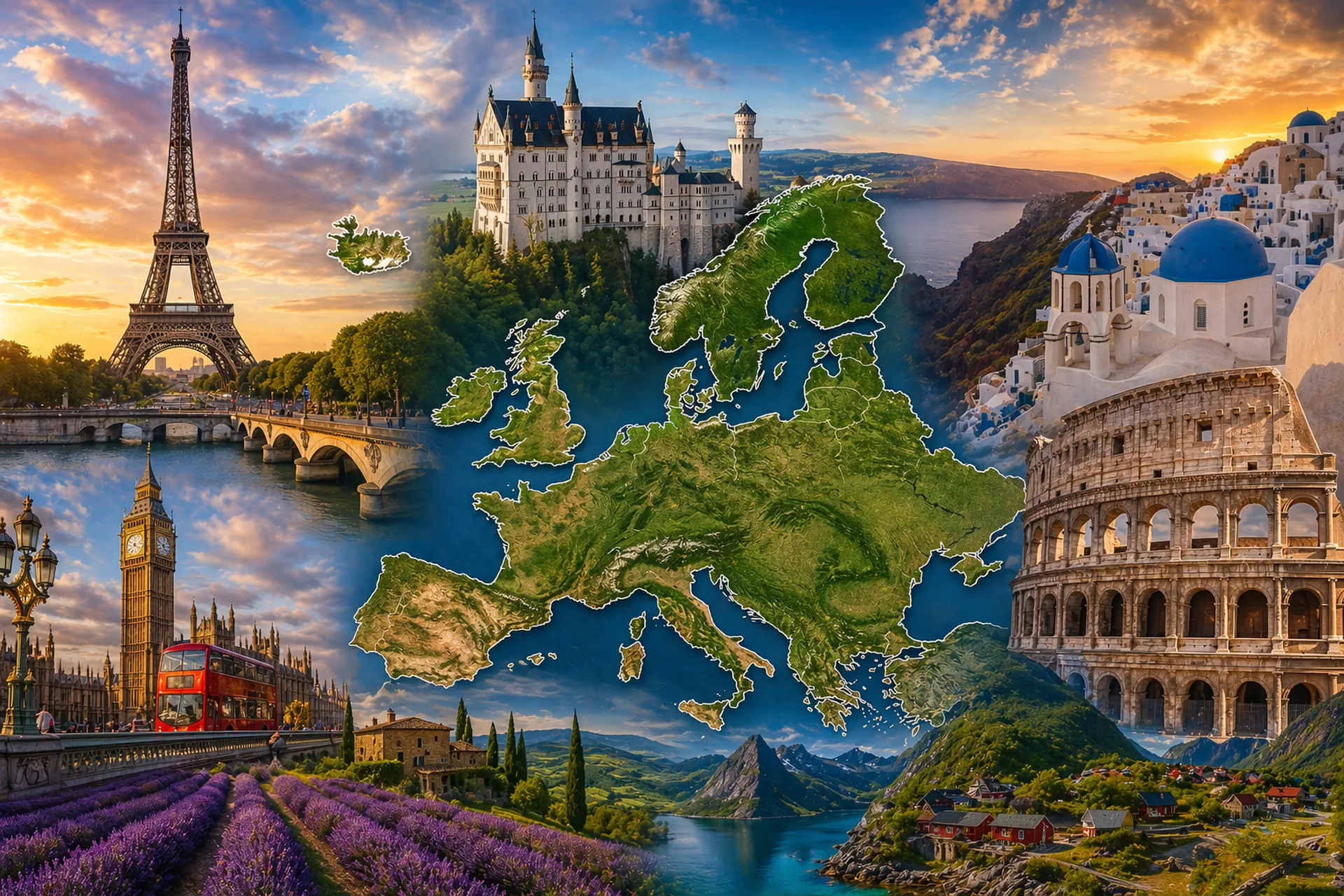
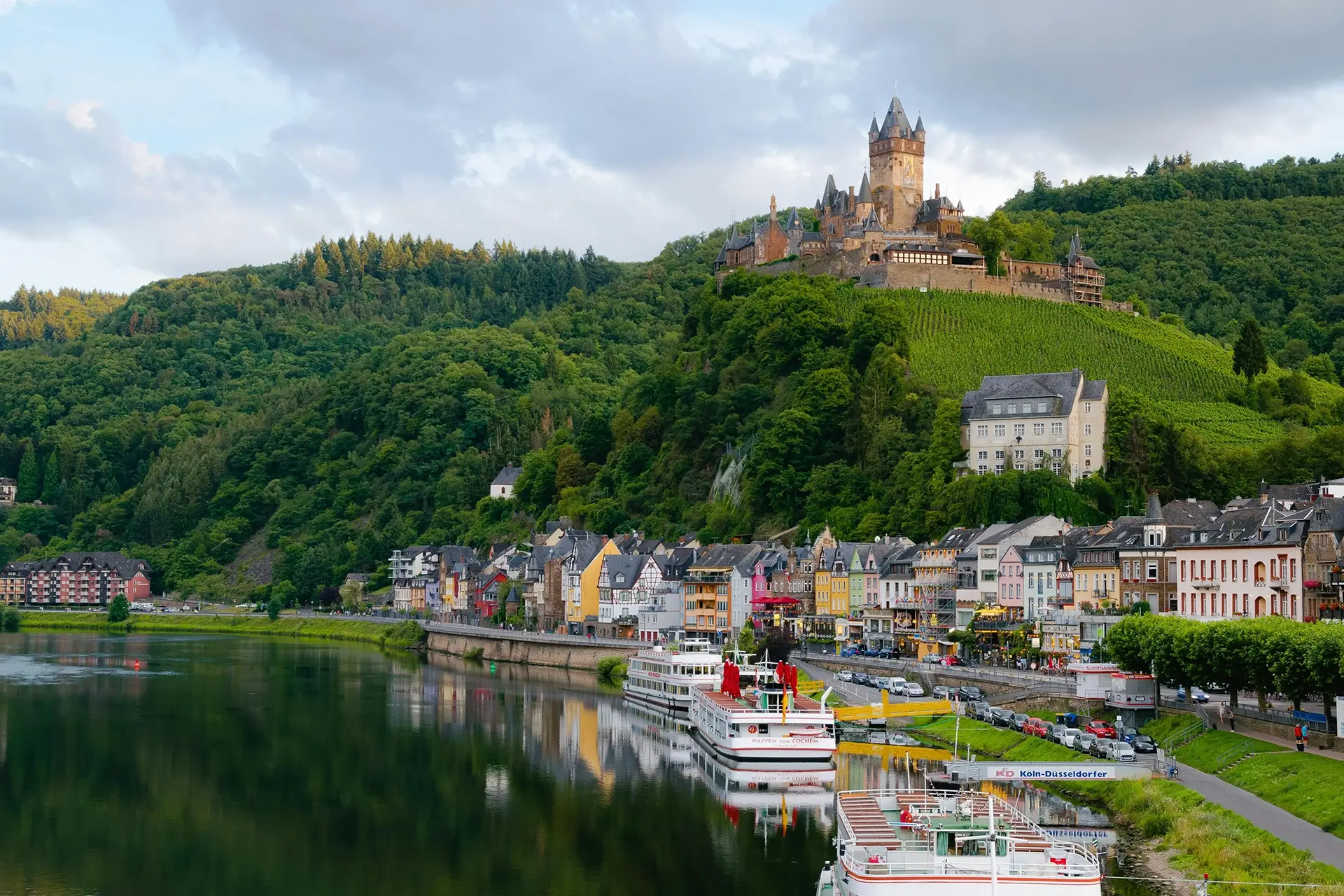
This detailed Europe travel guide explores a continent rich in history, culture, and diverse landscapes. From iconic cities like Paris, Rome, and London to scenic natural wonders such as the Alps, Mediterranean coast, and Nordic fjords, Europe offers endless options for all types of travelers. Whether you seek art and architecture, adventure tourism, or gastronomic delights, Europe remains one of the most popular tourist destinations worldwide.
Planning a trip through Europe? This guide covers the best destinations in Europe with up-to-date tips on when to visit, travel safety, visa requirements, and budget planning. Discover famous landmarks, hidden gems, and culinary traditions from countries like France, Italy, Spain, and Scandinavia. Find everything you need to create a perfect and unforgettable European vacation tailored to your interests.
History & Culture
Europe’s history is a rich tapestry woven from ancient civilizations, powerful empires, and transformative events that have shaped the modern world. From the ruins of ancient Rome and Greece to the majestic medieval castles scattered across the continent, Europe is a treasure trove of historic landmarks. The Renaissance period brought an explosion of art, architecture, and philosophy that still influences global culture today, making Europe a top destination for history enthusiasts.
The continent’s cultural heritage thrives in its vibrant festivals, traditional music, and world-renowned museums like the Louvre and the British Museum. Local customs and centuries-old traditions are alive in charming villages and bustling cities alike, offering travelers authentic experiences of European culture and its ongoing legacy. Exploring Europe means immersing yourself in stories that span millennia.
Exploration & Adventure
Navigate the continent effortlessly with Europe’s excellent transport system. High-speed trains whisk you from Denmark’s modern design hubs to the romantic canals of the Netherlands in hours. Embark on road trips to uncover hidden gems in Slovenia and Latvia, or take ferries connecting Malta’s islands and Estonia’s coast. From the mountains of Luxembourg to the beaches of Cyprus, Europe offers endless adventures, ensuring every traveler finds their rhythm.
Indulge in Europe’s rich gastronomic experiences. Savor Belgium’s rich chocolate and craft beer, delight in Italy’s fresh pasta and bold wines, and enjoy Croatia’s seafood feasts by the Adriatic. Treat your taste buds to French pastries, Dutch cheeses, and Cypriot mezzes. Whether it’s schnitzel in Austria, goulash in Slovakia, or cider in Finland, every bite connects you to the local culture, making culinary tourism in Europe a journey of discovery and delight.
Flavors & Culinary
Europe’s culinary scene is incredibly diverse, offering a rich palette of flavors shaped by centuries of tradition and regional specialties. From the hearty stews of Eastern Europe to the refined pastries of France and the fresh, vibrant dishes of the Mediterranean, European cuisine satisfies all tastes. Signature dishes such as Italian pasta, Spanish paella, French cheese and wine, and German sausages highlight the continent’s gastronomic diversity. Exploring Europe through its food is a journey into history and culture.
The continent is also famous for its wine regions like Bordeaux, Tuscany, and Rioja, which pair beautifully with local cuisines. Food markets, street vendors, and gourmet festivals offer immersive culinary experiences, while cooking classes and wine tastings deepen appreciation for Europe’s food heritage. For travelers, gastronomic tourism in Europe is a delicious way to connect with local lifestyles and traditions.
What to Know
Best Time to Visit
Europe’s best time to visit varies by region but generally falls between April and October, when weather is warm and suitable for outdoor activities. Summer attracts many tourists, while spring and autumn offer pleasant climates with fewer crowds.
Peak winter is ideal for ski lovers, especially in the Alps and Scandinavia. Planning your visit based on the season helps maximize your experience.
Safety and Health Advice
Europe is generally safe for travelers, with well-developed healthcare and infrastructure. Still, it’s important to take usual precautions like safeguarding belongings and staying informed about local regulations.
Healthcare quality is high, and travelers from many countries can use the European Health Insurance Card (EHIC) in participating nations. Carry travel insurance for emergencies and be aware of COVID-19 protocols where applicable.
Entry Requirements and Visas
Visa requirements for Europe depend on your nationality and destination. Many travelers can enter the Schengen Area visa-free for short stays, while others must apply in advance.
Check individual country policies before traveling, ensuring passports have sufficient validity. Understanding Europe’s entry requirements and visa rules will prevent delays at borders and streamline your trip.
Travel Costs and Budget Tips
Travel expenses in Europe range widely, with cities like Paris and London tending to be expensive, while Eastern Europe offers more budget-friendly options.
To save money, consider using public transport, staying in guesthouses, and eating at local markets. Booking flights and accommodations early and using discount passes can help you enjoy Europe travel without overspending.